Posts

The Refugee Convention at 75: a promise we must continue to uphold

On Tuesday 28 July, we mark the 75th anniversary of the 1951 Refugee Convention. The Convention was created after the Second World War, when millions of people had been forced from their homes. Countries came together and made an important promise: people fleeing war, violence and persecution should be able to find safety.

Seventy-five years later, that promise still matters.

What is the Refugee Convention?

The 1951 Refugee Convention, together with its 1967 Protocol, is the main international agreement protecting refugees. It explains who can be recognised as a refugee, sets out their rights and describes the responsibilities of countries that have signed it.

At its heart is a simple but vital rule: nobody should be sent back to a country where their life or freedom would be in danger. This is sometimes called the principle of “non-refoulement”. The Convention also sets out basic standards for how refugees should be treated, including access to housing, education and work. It is more than a legal document. It is a practical, lifesaving tool that has helped protect millions of people.

A shared responsibility

The Convention recognises that no country can respond to people being forced from their homes alone. Countries need to work together, share responsibility and support the communities welcoming refugees. Fair asylum systems, safe routes and international cooperation all have an important part to play. The UK was one of the original countries to sign the Convention and helped to shape it. This is an important part of our history, but it is also an ongoing responsibility.

Why is it still important today?

The need for refugee protection has not gone away. At the end of 2025, an estimated 117.8 million people around the world had been forced to leave their homes. This included 41.6 million refugees and other people in need of international protection, as well as almost nine million people waiting for a decision on their asylum claim.

Behind every number is a person, a family and a story. People do not choose to become refugees. They leave because staying at home is no longer safe.

The Convention gives countries a clear framework for deciding who needs protection and making sure that people are not returned to danger. It also helps asylum systems work in a more organised, fair and predictable way. Protecting refugees and managing borders are not competing goals. Both can be achieved through fair decisions, effective systems and cooperation between countries.

The Convention needs to be respected

Some people argue that the Refugee Convention is out of date or should be rewritten. UNHCR’s message is clear: the Convention remains flexible, relevant and essential.

The problems facing asylum systems today are not caused by the Convention. The focus should be on putting it into practice properly, through fair and timely decisions, safe routes, support for countries hosting large numbers of refugees and better opportunities for people to rebuild their lives. As UNHCR puts it, the Convention does not need rewriting. It needs respecting.

Facts and empathy matter

Public discussion about refugees and migration is often shaped by misinformation, fear and hostile language. We believe this must change.

People seeking safety should be spoken about with dignity, respect and humanity. We need honest conversations based on facts and practical solutions, rather than language that divides communities or blames people who have already been forced to leave their homes. Refugee protection is not a threat to stability. It helps create safety, fairness and order.

Our commitment at Voices in Exile

At Voices in Exile, we see every day why the Refugee Convention matters. We support refugees, people seeking asylum and migrants at risk who are navigating complex legal systems, insecure housing, destitution and long periods of uncertainty. We help people understand and exercise their rights, access legal and practical support, and begin rebuilding their lives with dignity.

Our work is grounded in justice, solidarity and the belief that everyone deserves safety and fair treatment. We will continue to challenge policies and practices that weaken refugee protection, and to stand alongside people who have been forced to flee.

The Refugee Convention is not only a framework for protecting other people but a safeguard for all of us, because any one of us could one day need the protection it offers.

Read more about the Refugee Convention and access UNHCR’s anniversary resources.
1_(28)

Exploring the border conundrum: Small Boats documentary screening raises vital questions

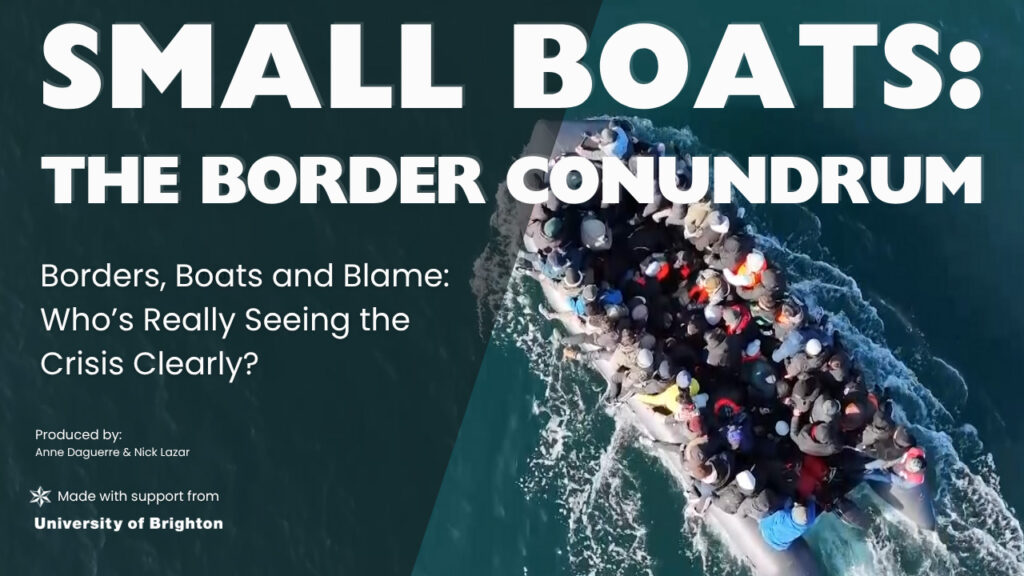
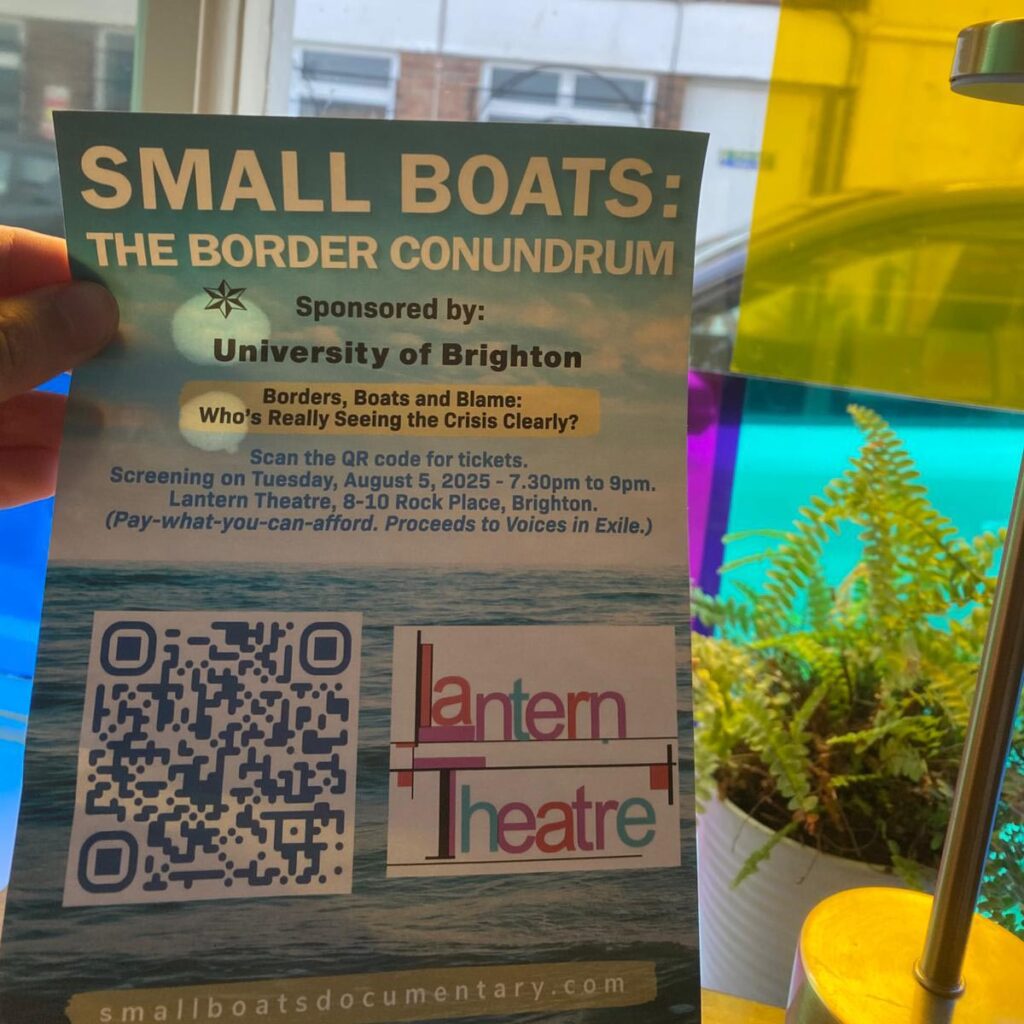
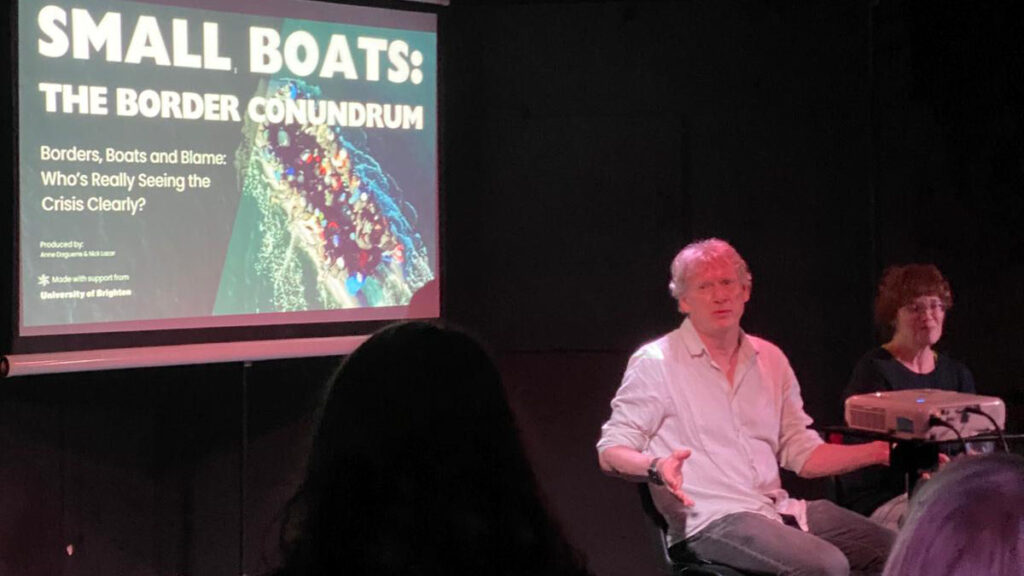
On Tuesday, 5 August, members of our volunteer team attended a special screening of Small Boats: The Border Conundrum at Brighton’s Lantern Theatre. The evening offered a thought-provoking insight into the complex political and social dynamics surrounding small boat crossings to the UK, with box office proceeds and donations going directly to support Voices in Exile’s work. 

The issue of small boat crossings has become a heated political and humanitarian debate, but how do Britain and France each view this crisis? 

Produced by Anne Daguerre and Nick Lazar, this timely film delves deep into the contrasting perspectives between Britain and France regarding migration, border security, and humanitarian responsibility. Through candid interviews with officials, activists, academics, and migrants themselves, the documentary highlights the stark differences and surprising commonalities in how both nations navigate this shared challenge.   

Following a successful premiere at Duke’s at Komedia, Brighton, and a vibrant panel discussion, the film continues to spark important conversations. 

A fresh perspective on the Channel crossings debate 

The documentary takes a fresh angle, focusing on the often-fraught relationship between France and the UK when it comes to migration across the Channel 

and interpolating perspectives from both countries. Rather than centring on the lived experiences of migrants (which the filmmakers noted has been well-covered elsewhere) the film looks at the interplay between politicians, rights groups, and filmmakers, revealing the tensions, misunderstandings, and sometimes flawed assumptions that shape policy and public opinion.  

The documentary also explored the British government’s “smash the gangs” approach, questioning its effectiveness in addressing the underlying causes of dangerous Channel crossings. 

Challenging questions in the Q&A 

Following the screening, filmmakers Dr Anne Daguerre, a social justice policy academic at the University of Brighton, and Nick Lazar, a director, filmmaker and actor, led a Q&A session.  

Audience members asked challenging questions about the absence of certain political voices, the role of the media in shaping public perception, and the need for more context and fact-checking in the national conversation.  

Discussions also touched on issues such as the organisation of smuggling networks, the reasons why many migrants want to leave France, and the realities those who arrive in the UK via other routes and later claim asylum face. 

Why events like this matter 

For our team, the evening was both inspiring and sobering. It underlined the need for more informed, nuanced discussions about migration – ones that recognise the human realities behind the headlines, challenge harmful narratives, and push for policies grounded in justice and compassion. 

We are very grateful to Anne, Nick and the other organisers for not only hosting this screening but also directing proceeds to Voices in Exile, helping us continue our work supporting refugees, asylum seekers, and vulnerable migrants in the local area. 


To find out more about the documentary, including details of how you can watch it, visit smallboatsdocumentary.com. 

Celebrating Refugee Week with stories, poetry and community at the Unitarian Church

As part of Refugee Week 2025, we were invited to take part in a special service on Sunday 22nd June at the Unitarian Church on New Road, Brighton. The theme of this year’s Refugee Week, Community as a Superpower, felt especially fitting as we reflected on faith, belonging, and the shared humanity that connects us all. 

The service, led by Rev Jennifer Sanders, brought together powerful images, moving words, and some of the stories of people who have been personally affected by migration or seeking asylum.  

As part of the service, our Director Alison Kelly spoke to the congregation about the history and impact of Voices in Exile, the challenges facing our service users today, and the growing importance of standing in solidarity with refugees and migrants. She called on us all to challenge anti-migrant rhetoric and celebrate the vital contributions migrants make to our communities, reminding us that Refugee Week is not only a moment of reflection, but a call to action.

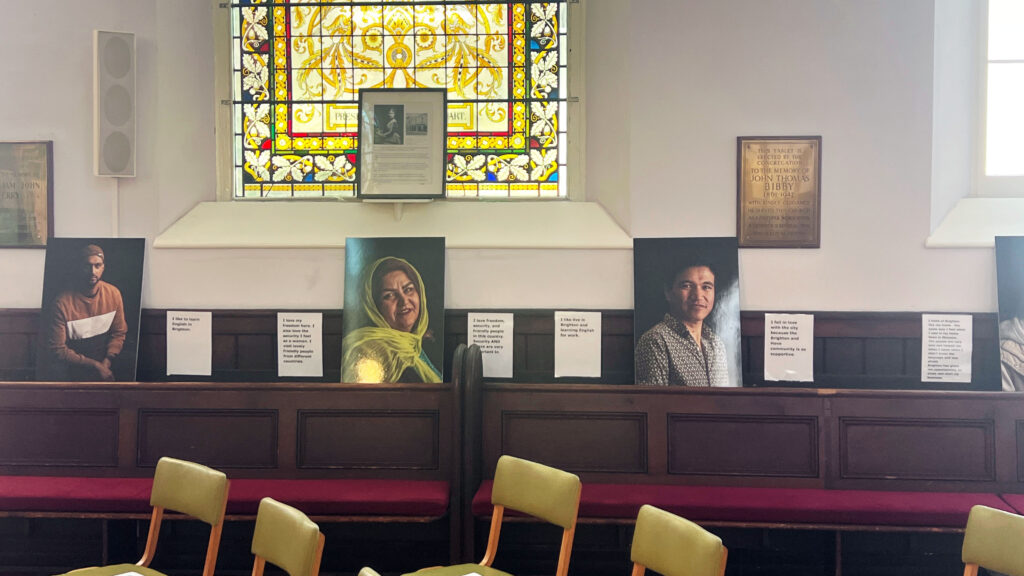
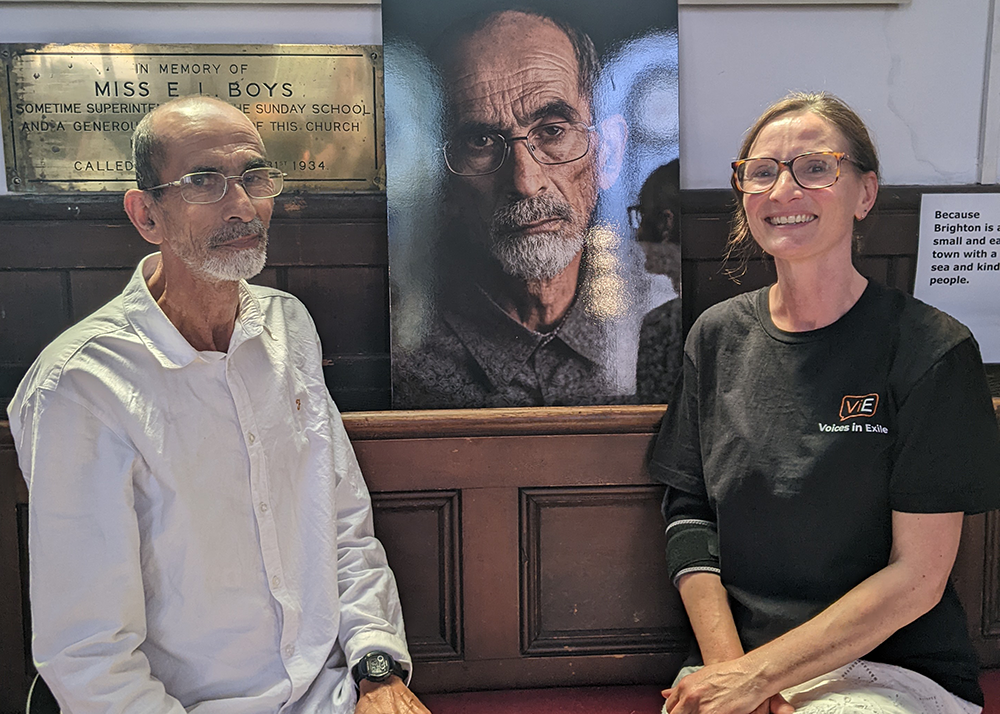
A highlight of the morning was the striking photography exhibition, The Faces of Voices in Exile, by Carlos Jasso. Through his photography, Carlos aims to highlight the individuals within the Voices in Exile community – not as numbers, statistics, or outsiders, but as people building new lives, friendships, and identities. The exhibition was a tribute to the richness migrants bring to their new communities, the knowledge they share, and the resilience they embody. By showcasing their portraits, Carlos reminds us that, at our core, we are all human. Regardless of our beliefs, or backgrounds, we are individuals deserving of dignity, respect, and a place to belong. 

We were also deeply moved by a poetry reading from Nematullah (Nemat) Ahangosh, who shared three poems from his collection The Colour of Peace: Perhaps a little worried, Fitting in, and Unleash love?. Each poem reflected lived experiences of migration and the longing for peace, identity, and acceptance. 

Nemat’s poetry book The Color of Peace can be purchased here

One person in the congregation shared afterwards: 

“The voices from the service and the pictures really moved me this morning. It was great to be reminded of our common humanity, as our usual daily diet of reporting on refugees has such a negative feel. Thank you for coming and for your work.” 

Thank you to everyone who helped to make this event possible and to everyone who came along.

The Voices in Exile Summer Celebration: A joyful evening of community and conversation


This July, we hosted our annual Summer Celebration at the Fitzherbert Centre, bringing together staff, service users, volunteers, fundraisers, and members of the local community. It was a beautiful day of connection, with something for everyone—from face painting and table tennis to outdoor games for the children, creating an inclusive and lively atmosphere for all ages.


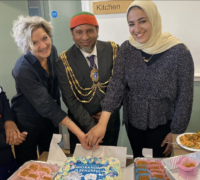
We were honoured by a special guest appearance from Brighton & Hove’s new Mayor, Councillor Mohammed Asaduzzaman, who shared words of welcome and solidarity with our community. As the city’s first Muslim mayor, his presence highlighted our shared dedication to building a diverse, compassionate community for all.


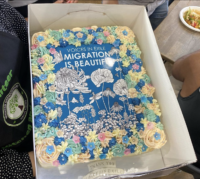
Attendees enjoyed a delicious array of homemade food prepared by our volunteers and clients, as well as an incredible Voices-themed cake. The evening wrapped up with dancing, conversation, and laughter—a perfect close to a memorable celebration.


Thank you to Cllr and Mrs Asaduzzaman for joining us, and to all the volunteers, clients, and supporters who helped organise this wonderful event. It was a day filled with joy, connection, and the true spirit of Voices in Exile!