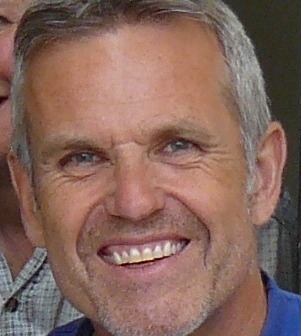
Meet one of our amazing volunteers, Garry, a retired social worker supporting both group sessions and casework at Voices. In a recent conversation, Garry shared what drew him to this work, what a typical session looks like, and why he’s passionate about supporting refugees and asylum seekers.
Can you tell us a bit about yourself?
I am a retired Social Worker Team Manager and have been working voluntarily with refugees for the last ten years, working in camps and organisations in Greece and in Calais. Now I work with Voices and with British Red Cross in supporting asylum seekers and refugees.
What made you join Voices in Exile as a volunteer?
I moved to Brighton in 2023 and wanted to continue working with refugees here, as I rotate between London and Brighton. I work with refugees because of their vulnerability and their great potential, that demands reviving after their challenging journeys.
What does a session in your role at Voices look like?
At the morning ViE Group sessions, the people may have workshops on relaxation, and English through games and conversation, but there may also be an information session on anything from welfare benefits to using a camera. In the warmer months, we may go out to local parks for the sessions or to community allotments or farms nearby to relax and enjoy being outside. We try to encourage the members to speak as much English as they can.
The volunteer role is to participate, but also to remain aware of any concerns or questions raised or indicated by people during the session. This can be very simple, such as leading someone through an application for an educational or training course, to advising on more complex issues, such as housing, if we have the knowledge. Longer and complex questions, however, may need to be passed on to case workers.
The volunteer also supports the ‘leader’ of the Group in preparing the session and in clearing up, as well as being another pair of eyes in seeing any needs during the session.
I also work as a volunteer case worker in the afternoon. This usually involves making calls to people the full-time case workers have enquiries from or need follow-up with. This, again, can be simple to complex. I may also see individuals in face-to-face appointments at the office.